
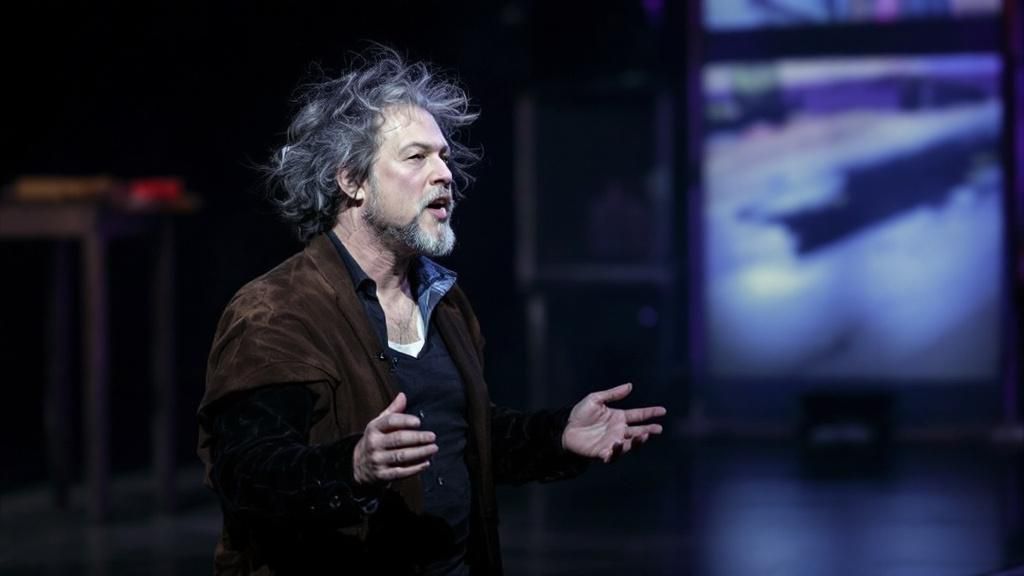
The National Theatre has introduced an extensive programme created to democratise access to classical drama across the United Kingdom. This pioneering initiative seeks to bring world-class theatrical productions to communities far outside London’s West End, making certain that audiences in remote and disadvantaged regions can encounter Shakespeare, Chekhov, and contemporary interpretations of timeless classics. Through creative touring programmes, digital platforms, and partnership collaborations, the theatre is significantly transforming how Britain interacts with dramatic literature, making excellent productions an right rather than a privilege.
Opening Up Access to World-Class Theatre to Premier Theatre Productions
The National Theatre’s programme marks a significant transformation in how traditional theatre engages audiences across the UK. By removing distance limitations and financial constraints, the initiative guarantees that populations in remote locations and financially struggling areas can experience shows previously reserved for London’s elite venues. This dedication to accessibility reflects a basic principle that dramatic quality should not be determined by postcode or disposable income, but rather distributed equitably among all people irrespective of their circumstances.
Through collaborative alliances with regional theatres, educational institutions, and local arts organisations, the National Theatre is developing sustainable channels for engagement with classical works. The scheme covers productions on tour, subsidised ticket schemes, and community-led adaptations that foster local engagement and cultural stewardship. By developing these collaborative ties, the theatre moves away from a single London-based organisation into a dispersed system of cultural achievement, ensuring that the transformative power of drama becomes widely accessible to audiences nationwide.
Technological Innovation and Community Partnerships
The National Theatre’s strategy relies on state-of-the-art technology to extend its reach across the nation. By harnessing digital platforms and digital theatre experiences, the institution provides concurrent viewing to productions for audiences who cannot visit physically. This digital framework makes culture more accessible, enabling audiences from Cornwall to the Scottish Highlands to enjoy high-quality theatre from home. The initiative also includes interactive digital resources, instructional content, and behind-the-scenes content, enhancing audience engagement beyond standard theatrical performances and fostering deeper engagement with traditional theatrical works.
Equally significant are the strategic partnerships developed between regional theatres, local councils, and community groups throughout the United Kingdom. These collaborations enable productions resonate with audiences from different backgrounds whilst bolstering grassroots cultural infrastructure. The National Theatre delivers grants, professional expertise, and artistic leadership to partner venues, building lasting cultural environments in communities lacking cultural investment. By collaborating with local institutions rather than applying centralised approaches, the initiative respects regional identities whilst maintaining artistic excellence. This partnership model changes classical drama into a truly national undertaking, embedding theatrical culture within communities and creating permanent cultural impact.
Influence and Long-Term Outlook
The initiative’s effect goes well past mere attendance figures, profoundly changing arts engagement throughout the country. Regional theatre venues reveal unparalleled levels of engagement, with theatre-goers discovering newfound appreciation for traditional theatre pieces formerly considered out of reach. Communities that historically lacked theatre facilities now access live performances, educational workshops, and behind-the-scenes insights. This democratization fosters a more inclusive cultural landscape, encouraging young people to interact with stage drama as a key element of their educational and social development.
Looking ahead, the National Theatre anticipates ongoing growth of this innovative initiative throughout the following decade. Targeted funding in technological infrastructure are set to expand reach, enabling live streaming and on-demand access to filmed shows. Working relationships with academic bodies will incorporate classical drama within educational programmes, nurturing sustained enthusiasm for theatrical arts. The programme represents a watershed moment, cementing the concept that remarkable dramatic performances constitute a basic cultural entitlement rather than an advantage restricted to the capital.
As this innovative project progresses forward, its success ultimately depends upon continuous investment, community engagement, and collaborative partnerships. The National Theatre continues to be focused on measuring impact through audience feedback, participation rates, and pedagogical achievements, guaranteeing responsibility and sustained enhancement. This pioneering initiative represents a profound shift in British society’s cultural outlook, demonstrating that traditional theatre is for everyone.
